
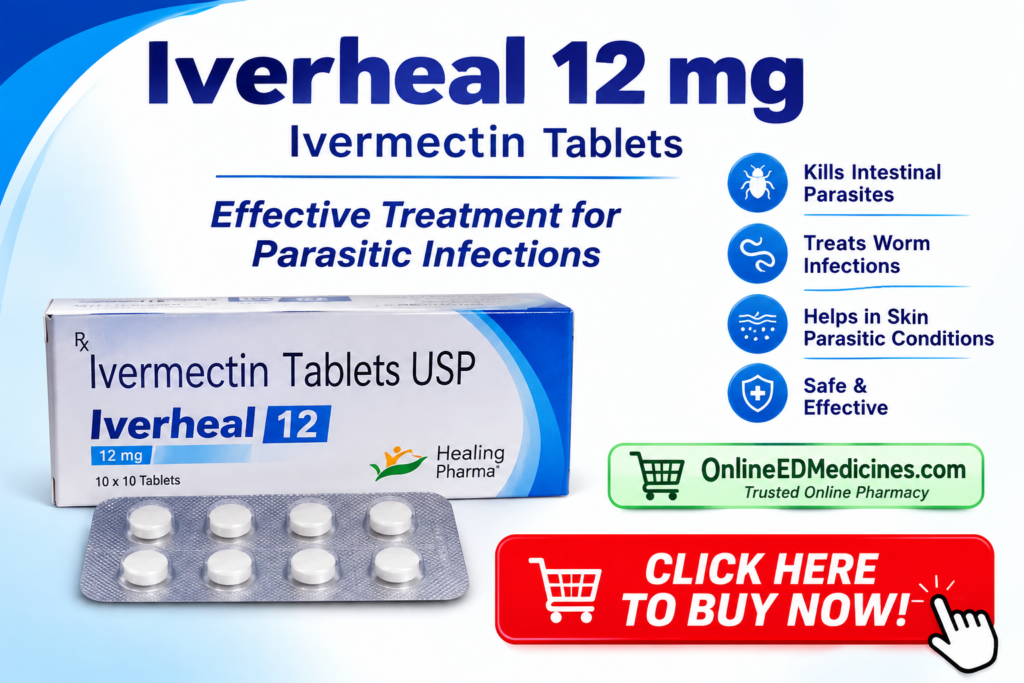
Iverheal 12 mg: How It Works, Uses, and Important Safety Tips
Iverheal 12 mg is an oral antiparasitic medication containing the active ingredient Ivermectin. It belongs to a class of drugs known as anthelminthics. Designed to treat a range of internal and external parasitic infections, it is widely recognized for its high efficacy when used under direct medical supervision.
What is Iverheal 12 mg and How Does It Work?
The primary active compound in Iverheal 12 mg is Ivermectin. It treats targeted infections by disrupting the cellular signaling of parasitic organisms.
- Mechanism of Action: Ivermectin selectively binds to glutamate-gated chloride ion channels found in the nerve and muscle cells of parasites.
- Paralysis and Elimination: This binding increases the flow of chloride ions, hyperpolarizing the cell membranes. As a result, the parasite experiences tonic neuromuscular paralysis and dies, allowing the human body to naturally clear the infection.
- Safety for Humans: Humans lack these specific chloride channels in peripheral nerves, and the medication does not easily cross the healthy human blood-brain barrier.
Approved Medical Uses
Iverheal 12 mg is prescribed for several specific conditions caused by parasitic worms and mites:
- Strongyloidiasis (Threadworm): An intestinal infection caused by Strongyloides stercoralis. Symptoms often include abdominal pain, bloating, and diarrhea.
- Onchocerciasis (River Blindness): Infection caused by Onchocerca volvulus, transmitted by the bite of infected blackflies. It affects the skin and eyes, potentially leading to visual impairment or blindness if untreated.
- Scabies: An infestation of the skin by the microscopic mite Sarcoptes scabiei, causing intense itching and rash. Oral ivermectin is frequently used for severe or crusted scabies cases.
- Other Helminthic Infections: Used off-label or under clinical guidance for conditions such as roundworms (Ascariasis), hookworms, and cutaneous larva migrans.
How to Take Iverheal 12 mg Correctly
Proper administration is crucial to ensure maximum absorption and therapeutic efficacy.
- Take on an Empty Stomach: Take the tablet with a full glass of water at least 1 hour before or 2 hours after a meal. Food can alter the absorption kinetics of the drug.
- Follow Single or Intermittent Dosing: In many cases (such as strongyloidiasis), Iverheal is prescribed as a single oral dose calculated based on body weight. Some conditions require a repeat dose after a few weeks or months as directed by a healthcare provider.
- Do Not Crush or Chew: Swallow the tablet whole.
Common and Potential Side Effects
While generally well-tolerated, Iverheal 12 mg can cause side effects. Many mild symptoms are caused by the body’s reaction to the dying parasites (known as a Mazzotti-like reaction in river blindness treatment).
Common Side Effects:
- Mild dizziness or lightheadedness
- Nausea, mild abdominal discomfort, or diarrhea
- Skin itching or mild rash
- Muscle aches, joint pain, or weakness
- Mild swelling of lymph nodes
Serious Symptoms Requiring Immediate Medical Attention:
- Severe allergic reactions (hives, difficulty breathing, facial swelling)
- Sudden drop in blood pressure upon standing (orthostatic hypotension)
- Rapid heart rate (tachycardia)
- Confusion, extreme drowsiness, or loss of coordination
- Sudden changes in vision or severe eye redness
Important Safety Tips & Precautions
Medical Disclaimer: Iverheal 12 mg is a prescription-only medication. Never self-medicate, adjust dosages without authorization, or use veterinary-grade ivermectin products.
- Pregnancy and Breastfeeding: Iverheal is generally not recommended during pregnancy due to potential risks to the fetus. It can pass into breast milk in small amounts; consult your physician prior to use if nursing.
- Pediatric Safety: Safety and effectiveness have not been established for children weighing less than 15 kg (approx. 33 lbs).
- Avoid Alcohol: Consuming alcohol alongside Iverheal can exacerbate side effects like dizziness, drowsiness, and low blood pressure.
- Drug Interactions: Inform your physician about all medications you take, particularly blood thinners (like warfarin) or drugs affecting the central nervous system (such as sedatives or muscle relaxants).
- Viral Diseases Notice: Major health agencies (including the US FDA, WHO, and EMA) clarify that oral ivermectin is not approved for treating or preventing viral infections such as COVID-19.
Summary Checklist
| Topic | Quick Recommendation |
| Administration | Take on an empty stomach with a full glass of water. |
| Dosing Schedule | Usually a single dose based on body weight; follow doctor’s advice. |
| Key Precaution | Avoid alcohol and do not drive if experiencing dizziness. |
| Prescription Status | Requires medical consultation and prescription. |