
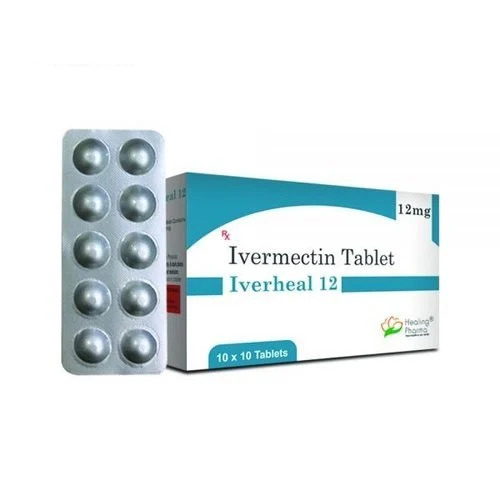
Ivermectin 12 mg Tablets are a powerful treatment option for parasitic infections affecting the skin and eyes. Iverheal is a branded version of Ivermectin, a well-known antiparasitic agent. Ivermectin, in its generic form, is widely prescribed for various parasitic infections in humans.
Introduction
Iverheal 12 mg is a prescription medication that contains Ivermectin, a potent antiparasitic agent commonly used to treat a variety of parasitic infections in humans. It is prescribed for conditions caused by parasitic worms, such as onchocerciasis, strongyloidiasis, scabies, and head lice. Ivermectin, the active ingredient in Iverheal 12 mg, has become a widely recognized and important tool in the global fight against parasitic diseases. This medication works by targeting the neurological systems of parasites, leading to their paralysis and eventual death.
This article explores the uses, mechanisms of action, dosage recommendations, side effects, and more for Iverheal 12 mg, providing a comprehensive understanding of its role in treating parasitic infections.
What Is Ivermectin?
Ivermectin, the active ingredient in Iverheal 12 mg, belongs to a class of medications called macrocyclic lactones, which are derived from the bacterium Streptomyces avermitilis. Initially discovered in the late 1970s, ivermectin has since revolutionized the treatment of parasitic infections, contributing to the control and eradication of many diseases that primarily affect people in developing countries. It is widely used due to its effectiveness, safety profile, and relatively low cost.
Ivermectin works by binding to specific channels in the nervous system of parasites, leading to their paralysis. It has a broad spectrum of activity, targeting a variety of parasitic organisms, including roundworms, mites, lice, and other external parasites. Ivermectin is often prescribed as a single dose, although the specific dosage and treatment duration may vary depending on the infection being treated.
Common Conditions Treated by Iverheal 12 mg
Iverheal 12 mg is effective against a range of parasitic infections. Below are some of the key conditions for which it is commonly prescribed:
1. Onchocerciasis (River Blindness)
Onchocerciasis, also known as river blindness, is caused by the parasitic worm Onchocerca volvulus, transmitted through the bite of infected blackflies. This infection can lead to severe skin conditions, including intense itching, rashes, and disfigurement. Over time, the disease can cause blindness due to the damage to the eyes.
Ivermectin plays a crucial role in the control of onchocerciasis by targeting the larvae of Onchocerca volvulus (microfilariae) and preventing them from further multiplying and spreading. A single dose of ivermectin, typically given annually, can effectively reduce the burden of the infection, although some individuals may require repeated treatments to achieve long-term results.
2. Strongyloidiasis
Strongyloidiasis is caused by the roundworm Strongyloides stercoralis, which can be contracted through contaminated soil. The infection often causes gastrointestinal symptoms such as diarrhea, abdominal pain, and bloating, and it can lead to more severe complications if left untreated.
Ivermectin is considered the drug of choice for treating strongyloidiasis, particularly in its chronic form, due to its ability to eradicate both the larvae and adult stages of the parasite. The standard treatment regimen involves a single dose of 200 micrograms per kilogram of body weight.
3. Scabies
Scabies is a skin infestation caused by the mite Sarcoptes scabiei. The mites burrow into the skin, causing intense itching and inflammation. Although scabies is usually treated with topical medications like permethrin, oral ivermectin can be an effective alternative, especially for widespread or severe cases.
A single dose of ivermectin is typically given, with a second dose administered after one or two weeks if necessary. Ivermectin is particularly useful for patients who have difficulty applying topical treatments, or for those who have severe, crusted scabies.
4. Lice (Pediculosis)
Lice infestations, including head lice, body lice, and pubic lice, are caused by parasitic insects that live on the human body and feed on blood. These infestations can cause itching, irritation, and secondary infections from scratching.
While topical treatments are commonly used to treat lice, oral ivermectin may be prescribed for cases that are resistant to other treatments or in individuals with extensive infestations. The recommended dose is typically a single dose of 200 micrograms per kilogram of body weight, with a follow-up dose after one or two weeks if necessary.
5. Filariasis
Filariasis is a disease caused by parasitic worms such as Wuchereria bancrofti and Brugia malayi, which are transmitted by mosquitoes. The infection can lead to severe symptoms like lymphedema, hydrocele, and elephantiasis. Ivermectin is often used as part of combination therapy to treat lymphatic filariasis, particularly in areas where the disease is endemic.
The standard dose for filariasis is typically 150 micrograms per kilogram of body weight, and ivermectin is often given in combination with other medications like albendazole or diethylcarbamazine to enhance efficacy.
How Does Iverheal 12 mg Work?
Iverheal 12 mg works by targeting the neuromuscular system of parasites. The mechanism of action involves ivermectin binding to glutamate-gated chloride channels, which are integral to the function of nerve and muscle cells in invertebrates. These channels regulate the movement of chloride ions into and out of cells, which is essential for normal cell function.
When ivermectin binds to these channels, it causes an influx of chloride ions, resulting in hyperpolarization of the parasite’s cells. This disrupts normal nerve and muscle function, leading to paralysis of the parasite. The paralysis prevents the parasite from feeding, moving, and reproducing, ultimately causing its death.
Ivermectin is particularly effective against parasites that have a neurological system, including a wide range of roundworms, mites, and lice. The drug does not typically affect humans in the same way because human cells do not rely on glutamate-gated chloride channels, making ivermectin relatively safe for human use.
Dosage and Administration
The recommended dose of Iverheal 12 mg depends on the specific condition being treated and the patient’s weight. For most parasitic infections, Ivermectin is typically administered as a single oral dose, although the exact dosage may vary based on the condition.
Below are general dosing guidelines for various conditions:
- Onchocerciasis: 150 micrograms per kilogram of body weight, usually given once every 6 to 12 months.
- Strongyloidiasis: 200 micrograms per kilogram of body weight, given as a single dose.
- Scabies: 200 micrograms per kilogram of body weight, usually given as a single dose with a second dose after one or two weeks if necessary.
- Lice Infestation: 200 micrograms per kilogram of body weight, given as a single dose, with a follow-up dose after one or two weeks if necessary.
- Filariasis: 150 micrograms per kilogram of body weight, usually given once as part of a combination therapy.
It is essential to follow the prescribed dosage and not exceed the recommended amount. If you miss a dose, contact your healthcare provider for guidance on how to proceed.
Side Effects of Iverheal 12 mg
Iverheal 12 mg is generally well-tolerated, but like all medications, it may cause side effects in some individuals. Most side effects are mild and temporary. Common side effects include:
- Headache
- Dizziness
- Nausea
- Fatigue
- Abdominal pain
- Diarrhea
- Rashes
In rare cases, serious side effects may occur, including:
- Severe allergic reactions (e.g., swelling, difficulty breathing)
- Neurological symptoms (e.g., confusion, seizures)
- Liver problems (e.g., yellowing of the skin or eyes)
- Eye problems (e.g., pain, blurred vision)
If any of these severe reactions occur, it is crucial to seek medical attention immediately.
Warnings and Precautions
There are several important precautions to consider before using Iverheal 12 mg:
- Pregnancy and Breastfeeding: Ivermectin should be used during pregnancy only when absolutely necessary, as its safety has not been fully established. It is also recommended to avoid using ivermectin while breastfeeding unless specifically instructed by a doctor.
- Liver Disease: Ivermectin is metabolized by the liver, so patients with liver disease should use the medication with caution. A lower dose may be required.
- Allergic Reactions: Individuals with a known allergy to ivermectin or any of its components should not take Iverheal 12 mg.
- Drug Interactions: Ivermectin can interact with other medications, particularly those that affect liver enzymes. Be sure to inform your doctor of all the medications you are taking.
Conclusion
Iverheal 12 mg is a vital medication used in the treatment of various parasitic infections, including onchocerciasis, strongyloidiasis, scabies, lice, and filariasis. Its active ingredient, ivermectin, works by targeting the nervous system of parasites, leading to their paralysis and death. The medication is typically administered as a single oral dose, although the dosage may vary depending on the condition being treated and the patient’s weight.
Although Iverheal 12 mg is generally well-tolerated, it is important to follow the prescribed dosage and be aware of potential side effects and precautions. As a critical tool in the fight against parasitic diseases, Ivermectin has contributed to the control and eradication of numerous infections, particularly in developing countries. If you have any concerns or questions about Iverheal 12 mg, consult with your healthcare provider for personalized advice and guidance.