
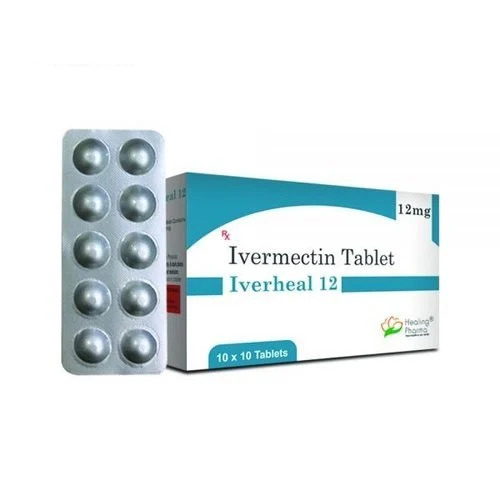
Iverheal 12 mg is an oral medication used to treat a range of parasitic infections, including scabies and filariasis. These conditions result from external parasite infestations, with scabies commonly spreading through skin-to-skin contact with infected individuals carrying itch mites.
Iverheal 12 mg: An Overview
Iverheal 12 mg is a prescription medication primarily used to treat parasitic infections. The main ingredient in Iverheal 12 mg is Ivermectin, a broad-spectrum antiparasitic drug that works by targeting and eliminating certain parasites in the human body. This medication has been widely utilized in the treatment of various parasitic diseases, including those caused by roundworms, lice, and scabies. The 12 mg dosage is typically prescribed for adult patients, depending on the type of infection being treated.
Ivermectin: The Active Ingredient
Ivermectin, the active ingredient in Iverheal 12 mg, was discovered in the late 1970s and has since become one of the most widely used antiparasitic medications worldwide. It is derived from the soil bacterium Streptomyces avermitilis, which produces a compound known as avermectin, a precursor to ivermectin.
Ivermectin is a member of the macrocyclic lactone class of drugs, and its mechanism of action involves interfering with the nervous systems of parasites. Specifically, it binds to glutamate-gated chloride channels, which are present in the nerve and muscle cells of invertebrates (including parasites). This binding results in paralysis and death of the parasite, as it disrupts the normal movement of chloride ions across cell membranes.
Conditions Treated by Iverheal 12 mg
Iverheal 12 mg is used to treat a variety of parasitic infections, including:
- Onchocerciasis (River Blindness):
Onchocerciasis is a parasitic infection caused by the Onchocerca volvulus worm, which is transmitted by the bite of infected black flies. The infection can lead to severe skin itching, visual impairment, and even blindness if untreated. Ivermectin is highly effective in killing the larvae (microfilariae) of the Onchocerca worm, helping to prevent the progression of the disease. - Strongyloidiasis:
Strongyloidiasis is caused by the roundworm Strongyloides stercoralis. The infection can lead to gastrointestinal symptoms such as diarrhea, abdominal pain, and nausea, along with systemic effects in severe cases. Ivermectin is the drug of choice for treating strongyloidiasis due to its ability to kill the larvae and adult worms. - Scabies:
Scabies is a skin condition caused by the infestation of the Sarcoptes scabiei mite, which burrows into the skin, causing intense itching and irritation. Ivermectin is effective for treating scabies, especially in cases where topical treatments like permethrin have failed or when the infestation is widespread. - Lice Infestation (Pediculosis):
Iverheal 12 mg can also be used to treat head lice, body lice, and pubic lice. These parasites are typically treated with topical agents, but in certain cases, oral ivermectin may be used for severe infestations or when other treatments are ineffective. - Filariasis:
Filariasis is a disease caused by parasitic worms, such as Wuchereria bancrofti or Brugia malayi. These worms are transmitted by mosquito bites and can lead to severe symptoms like lymphatic obstruction, elephantiasis, and hydrocele. Ivermectin is commonly used to treat lymphatic filariasis in combination with other medications like albendazole or diethylcarbamazine. - Other Parasitic Infections:
Ivermectin is also used in the treatment of other parasitic diseases like ascariasis, trichuriasis, and capillariasis. It is particularly effective against a wide range of roundworms.
How Iverheal 12 mg Works
Iverheal 12 mg contains Ivermectin, which exerts its therapeutic effects by targeting the neuromuscular system of parasites. The drug’s mechanism of action includes:
- Binding to Glutamate-Gated Chloride Channels:
Ivermectin binds to glutamate-gated chloride channels that are present in the cells of parasites, leading to an increase in the permeability of the cell membranes to chloride ions. This influx of chloride ions causes hyperpolarization, which disrupts normal cellular functions and results in paralysis and eventual death of the parasite. - Disruption of Nervous System Function:
Ivermectin’s action on the parasite’s nervous system leads to a loss of muscle function and motor coordination. This paralysis prevents the parasites from moving, feeding, and reproducing, ultimately killing them. - Targeting Parasite Reproductive Systems:
In addition to paralyzing the parasites, Ivermectin can also impair the reproductive systems of certain parasitic worms, preventing further transmission and reinfection.
Dosage and Administration of Iverheal 12 mg
The recommended dose of Iverheal 12 mg depends on the condition being treated and the patient’s weight. For most conditions, Iverheal is typically taken as a single oral dose. However, depending on the infection, your healthcare provider may recommend additional doses or a longer treatment regimen. The typical dosages for various conditions are:
- Onchocerciasis: A single dose of 150 micrograms per kilogram of body weight, with additional doses every 6 to 12 months.
- Strongyloidiasis: A single dose of 200 micrograms per kilogram of body weight.
- Scabies: A single dose of 200 micrograms per kilogram of body weight, with a second dose after one to two weeks.
- Head Lice: A single dose of 200 micrograms per kilogram of body weight, repeated after one to two weeks if necessary.
It is important to follow the dosage instructions provided by your healthcare provider. Taking too much ivermectin can lead to side effects, while taking too little may result in ineffective treatment.
Side Effects of Iverheal 12 mg
Like all medications, Iverheal 12 mg can cause side effects, though not everyone experiences them. Common side effects may include:
- Mild Side Effects:
- Headache
- Dizziness
- Nausea
- Diarrhea
- Abdominal pain
- Fatigue
- Skin rash
- Serious Side Effects:
- Severe allergic reactions (e.g., swelling, difficulty breathing)
- Neurological symptoms (e.g., confusion, seizures, coordination problems)
- Liver problems (e.g., yellowing of the skin or eyes, dark urine)
- Eye problems (e.g., eye pain, blurred vision)
Most of these side effects are rare, and most people tolerate Iverheal 12 mg without significant issues. However, if you experience any severe side effects, it’s important to seek medical attention immediately.
Precautions and Warnings
- Pregnancy and Breastfeeding: Ivermectin should be used during pregnancy only when clearly needed. It is classified as a Category C drug, which means that its safety during pregnancy has not been established. It is also not recommended for use during breastfeeding unless deemed necessary by a healthcare provider.
- Allergic Reactions: If you have a known allergy to ivermectin or any of its components, you should avoid taking Iverheal 12 mg.
- Liver Disease: Ivermectin is metabolized by the liver, so patients with liver conditions should exercise caution when using Iverheal. A lower dose may be required in these cases.
- Drug Interactions: Ivermectin may interact with other medications, particularly those that affect the liver enzymes responsible for metabolizing the drug (such as some anticonvulsants, antifungal drugs, or antibiotics). Be sure to inform your healthcare provider of any medications you are taking.
Iverheal 12 mg in the Context of Global Health
Ivermectin has had a significant impact on global health, particularly in the eradication and control of parasitic diseases. It has been used as part of mass drug administration programs in many parts of the world to combat diseases like onchocerciasis and lymphatic filariasis. The World Health Organization (WHO) has endorsed ivermectin as a key component in the fight against these diseases, and the drug has been pivotal in reducing the global burden of parasitic infections.
In addition to its antiparasitic effects, ivermectin has gained attention in recent years for its potential uses in treating other conditions, including some viral infections. However, its off-label uses are still under research, and it should only be used for FDA-approved purposes unless advised otherwise by a healthcare provider.
Conclusion
Iverheal 12 mg, containing ivermectin, is a vital medication in the treatment of a wide range of parasitic infections. Its ability to target and kill parasites effectively makes it a cornerstone in the management of diseases like onchocerciasis, strongyloidiasis, scabies, and more. As with any medication, it is essential to use Iverheal 12 mg under the guidance of a healthcare provider to ensure both safety and effectiveness. By adhering to recommended dosages and considering potential side effects, patients can benefit from this life-saving treatment for parasitic diseases.