
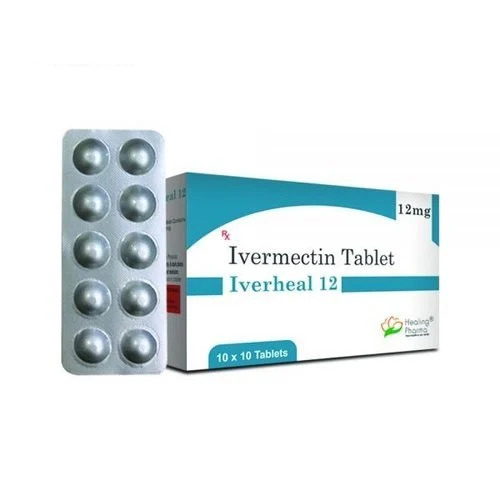
What Iverheal 12 mg is, the diseases it treats, its mechanism of action, dosage instructions, side effects, and precautions. We will also look at its global significance in combating parasitic diseases and the role of Ivermectin in public health.
Iverheal 12 mg for Humans:
Iverheal 12 mg is a pharmaceutical formulation that contains Ivermectin, an antiparasitic drug that has been widely used in the treatment of various parasitic infections in humans. Ivermectin, the active ingredient in Iverheal 12 mg, is a broad-spectrum antiparasitic agent that has shown to be highly effective against a wide range of parasites, including roundworms, mites, and lice. It is primarily used to treat conditions such as onchocerciasis, strongyloidiasis, scabies, head lice, and certain types of filariasis. Iverheal 12 mg, as the name suggests, contains 12 mg of Ivermectin per tablet, making it suitable for adult use in treating these infections.
What Is Iverheal 12 mg?
Iverheal 12 mg is a medication used for treating parasitic infections caused by various worms, lice, and mites. The active compound, Ivermectin, is a well-known drug in the class of macrocyclic lactones, originally derived from the bacterium Streptomyces avermitilis. It works by interfering with the nervous system of parasites, which leads to their paralysis and death. Iverheal 12 mg is typically administered as an oral tablet and is prescribed for both single-dose and multiple-dose treatments depending on the infection.
The 12 mg strength is usually prescribed for adults or individuals who weigh more than a certain threshold. The exact dose will vary based on the specific parasitic infection being treated and the patient’s body weight.
Mechanism of Action: How Iverheal 12 mg Works
The action of Ivermectin, the active ingredient in Iverheal 12 mg, revolves around its ability to target the nervous system of parasites. The drug works primarily by binding to glutamate-gated chloride channels in the cells of the parasite. These channels are essential for maintaining normal nerve and muscle function in parasites.
Here’s how Ivermectin exerts its effects:
- Binding to Chloride Channels: Ivermectin binds to specific chloride channels in the parasite’s nerve and muscle cells. This binding results in the influx of chloride ions into the cells, which disrupts the normal electrical charge across the cell membrane.
- Paralysis: This alteration in the ion balance leads to paralysis in the parasite. Essentially, the parasite loses the ability to move, feed, or reproduce. This makes the parasite unable to survive and eventually leads to its death.
- Selective Toxicity: One of the reasons why Ivermectin is considered safe for human use is that humans do not have glutamate-gated chloride channels in the same way that parasites do. This selective targeting ensures that Ivermectin primarily affects the parasite without causing significant harm to human cells.
Because of this targeted action, Iverheal 12 mg is effective against a wide range of parasites, including roundworms, mites, and insects like lice.
Diseases Treated by Iverheal 12 mg
Iverheal 12 mg is primarily used to treat parasitic infections caused by helminths (worms), ectoparasites (like mites and lice), and other parasitic organisms. Below are the most common diseases and conditions that Iverheal 12 mg is used to treat:
1. Onchocerciasis (River Blindness)
Onchocerciasis, or river blindness, is caused by the parasitic worm Onchocerca volvulus and is transmitted through the bite of infected black flies. It primarily affects people in sub-Saharan Africa, South America, and Yemen.
The disease leads to severe skin itching, rashes, and, if untreated, blindness due to the formation of nodules in the eye caused by the worms. Iverheal 12 mg helps by targeting the larvae (microfilariae) of Onchocerca volvulus, killing them and preventing the spread of the disease. Typically, annual doses of Ivermectin are used for effective disease control.
2. Strongyloidiasis
Strongyloidiasis is an infection caused by the roundworm Strongyloides stercoralis. It is contracted through contaminated soil and can cause gastrointestinal symptoms like diarrhea, abdominal pain, and bloating. In severe cases, the infection can lead to hyperinfection syndrome, which can be fatal.
Iverheal 12 mg is highly effective in treating strongyloidiasis because it targets both the larvae and adult worms. A single dose of ivermectin is often enough to clear the infection, although some patients may need a second dose depending on the severity.
3. Scabies
Scabies is a skin infestation caused by the mite Sarcoptes scabiei. The mite burrows into the skin, causing intense itching, rashes, and inflammation. While topical treatments like permethrin are commonly used, oral Ivermectin (Iverheal 12 mg) can be more effective in treating widespread or severe scabies, especially when topical treatments fail.
A single dose of Iverheal 12 mg is typically effective, and a second dose may be given after one or two weeks for persistent infestations.
4. Lice Infestation (Pediculosis)
Lice, including head lice, body lice, and pubic lice, are parasitic insects that feed on blood and cause itching and irritation. In some cases, lice infestations become resistant to topical treatments, and in such cases, oral ivermectin is recommended.
The typical treatment involves a single dose of 200 micrograms per kilogram of body weight. If necessary, a follow-up dose may be given after one or two weeks to ensure the complete eradication of the lice.
5. Filariasis
Filariasis is caused by parasitic worms like Wuchereria bancrofti and Brugia malayi, which are transmitted by mosquito bites. These worms affect the lymphatic system and can cause conditions like elephantiasis and hydrocele.
Iverheal 12 mg is used as part of a combination therapy with other antiparasitic drugs to treat lymphatic filariasis. It helps to reduce the number of adult worms and prevent the spread of the disease.
Dosage and Administration
The dosage of Iverheal 12 mg varies depending on the condition being treated, the patient’s weight, and the severity of the infection. Here are the general dosing guidelines for common infections:
- Onchocerciasis: The usual dose is 150 micrograms per kilogram of body weight, typically administered once a year. For more severe cases, repeated doses may be required.
- Strongyloidiasis: A single dose of 200 micrograms per kilogram of body weight is usually sufficient to treat the infection. In some cases, a second dose may be needed.
- Scabies: The typical dose is 200 micrograms per kilogram of body weight, given as a single dose. A second dose is sometimes required after one or two weeks.
- Lice Infestation: The recommended dose for lice is 200 micrograms per kilogram of body weight, given as a single dose, with a follow-up dose after one to two weeks if necessary.
- Filariasis: The dose for filariasis is 150 micrograms per kilogram of body weight, usually combined with other antiparasitic medications, administered once every 6 to 12 months.
It is important to follow the prescribed dosage and administration instructions from your healthcare provider to ensure the medication’s efficacy and minimize the risk of side effects.
Side Effects of Iverheal 12 mg
Most people tolerate Iverheal 12 mg well, but like any medication, it can cause side effects. Some common side effects include:
- Headache
- Dizziness
- Nausea
- Fatigue
- Abdominal pain
- Diarrhea
- Skin rash
While these side effects are generally mild and resolve on their own, some people may experience more serious reactions. These include:
- Severe allergic reactions (e.g., difficulty breathing, swelling of the face, lips, or throat)
- Neurological effects (e.g., confusion, seizures)
- Liver problems (e.g., yellowing of the skin or eyes)
- Vision problems (e.g., blurred vision, eye pain)
If any of these severe side effects occur, it is crucial to seek medical attention immediately.
Precautions and Warnings
Before using Iverheal 12 mg, consider the following precautions:
- Pregnancy and Breastfeeding: Ivermectin should be used during pregnancy only when absolutely necessary. It is classified as a Category C drug, meaning its safety during pregnancy has not been fully established. It is also not recommended for breastfeeding unless instructed by a doctor.
- Liver Disease: Ivermectin is metabolized by the liver, so patients with liver conditions should use the medication with caution. A lower dose may be required for these patients.
- Allergic Reactions: Patients with a known allergy to ivermectin or any of its components should avoid taking this medication.
- Drug Interactions: Ivermectin may interact with certain medications, including those that affect liver enzymes. Be sure to inform your healthcare provider of any other medications you are taking.
Conclusion
Iverheal 12 mg is an effective and widely used medication for treating a variety of parasitic infections in humans. Its active ingredient, Ivermectin, works by paralyzing and killing parasites, which is especially useful for treating onchocerciasis, strongyloidiasis, scabies, lice infestations, and filariasis. The drug has a solid safety profile, though it is essential to follow the prescribed dosage and be aware of potential side effects.