
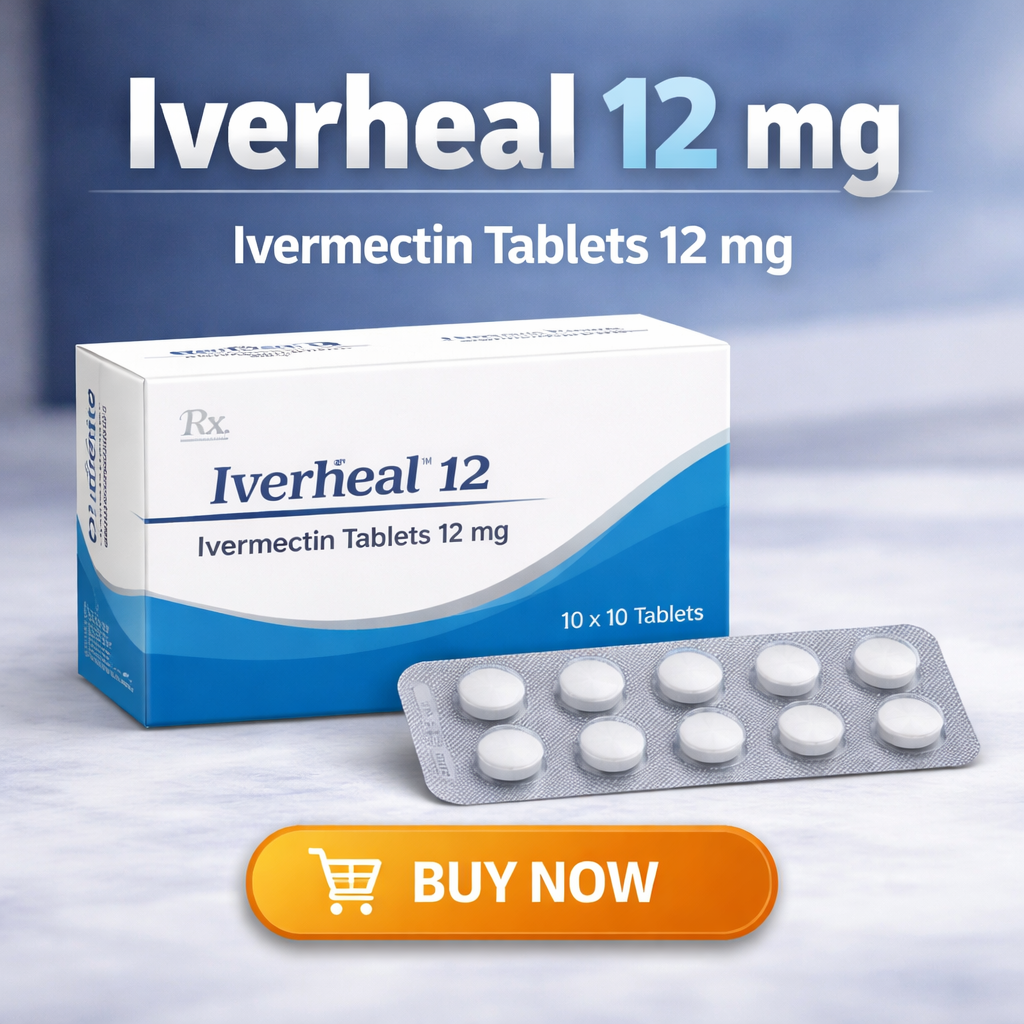
Iverheal 12: A Complete Guide to Ivermectin 12 mg — Uses, Dosage, Side Effects, and More
Introduction
Parasitic infections are often perceived as an issue confined strictly to remote, tropical regions, but the reality is much more pervasive. According to the World Health Organization (WHO), over 1.5 billion people—nearly 24% of the world’s population—are infected with soil-transmitted helminths globally. These microscopic and macroscopic invaders cause immense physical suffering, profound malnutrition, stunted cognitive development in children, and, in severe cases, death. For decades, the global health community struggled to find a pharmaceutical intervention that was both highly effective against these parasites and safe for mass human administration.
The introduction of ivermectin into human medicine in the late 1980s proved to be a watershed moment, fundamentally altering the trajectory of global public health. Described by infectious disease experts as a “wonder drug,” ivermectin has been central to the near-eradication of river blindness in numerous countries and remains a cornerstone treatment for a wide array of devastating parasitic worms and mites.
Among the many pharmaceutical formulations of this life-saving compound available today, Iverheal 12 stands out. Produced by Healing Pharma, Iverheal 12 delivers a highly potent 12 milligram dose of ivermectin in a single oral tablet. This specific dosing size has proven particularly advantageous for adult patients and those requiring high-dose therapies, allowing for streamlined treatment regimens without the need to swallow handfuls of smaller-dose pills.
The purpose of this meticulously researched guide is to provide a comprehensive, evidence-based exploration of Iverheal 12. In recent years, ivermectin has unfortunately been the subject of rampant misinformation, confusing the public and obscuring the drug’s true medical value. This article aims to cut through the noise, detailing exactly how Iverheal 12 functions on a molecular level, the specific conditions it is clinically approved to treat, correct weight-based dosing procedures, potential side effects, and critical contraindications. By grounding our discussion in data from the FDA, WHO, and peer-reviewed medical literature, we intend to empower readers with accurate, reliable health information.
What is Iverheal 12?
Iverheal 12 is a commercially available, prescription-only oral medication utilized explicitly for the treatment and management of various parasitic infections. It belongs to the anthelmintic (anti-worm) and antiparasitic drug classifications. To fully understand the product, it is essential to break down its manufacturing origins, its dosage strength, and how it compares to other medications on the market.
The medication is manufactured by Healing Pharma, a prominent pharmaceutical company based in India that produces a wide range of generic medications. Healing Pharma operates under strict World Health Organization Good Manufacturing Practices (WHO-GMP). This certification ensures that the facility adheres to international standards regarding hygiene, raw material sourcing, chemical stability testing, and quality control. Consequently, Iverheal 12 produced in these facilities is pharmacologically equivalent to the branded versions of ivermectin developed in Western nations.
The “12” in Iverheal 12 denotes the specific concentration of the active pharmaceutical ingredient (API). Each tablet contains exactly 12 milligrams of ivermectin. This is clinically significant when compared to the traditional 3 mg and 6 mg formulations. Because ivermectin dosing is strictly dictated by the patient’s body weight, a heavier adult often requires a total dose of 12 mg to 18 mg to achieve the necessary therapeutic threshold. A single 12 mg tablet drastically reduces the “pill burden”—the number of pills a patient must swallow at one time—thereby improving patient compliance and ensuring precise dosing.
Beyond the active ingredient, Iverheal 12 tablets contain several inactive ingredients (excipients) necessary to form the pill, ensure its stability on a shelf, and facilitate proper breakdown in the human digestive tract. While specific proprietary formulations can vary slightly by batch, standard excipients in oral ivermectin include microcrystalline cellulose (a binding agent), pregelatinized starch (helps the pill dissolve in the stomach), magnesium stearate (a lubricant that prevents the powder from sticking to manufacturing equipment), and colloidal silicon dioxide.
Visually, Iverheal 12 tablets are typically round or slightly oval, scored on one side to allow for easy splitting if a physician dictates a half-dose (6 mg), and packaged in sterile aluminum blister packs to protect the sensitive active ingredient from moisture and ultraviolet light degradation. It is widely exported and prescribed internationally as a cost-effective generic alternative to Stromectol, which is the original brand-name version of ivermectin manufactured and patented by Merck & Co. in the United States.
The Active Ingredient — Ivermectin: A Pharmacological Overview
The active component of Iverheal 12, ivermectin, possesses one of the most fascinating and celebrated histories in modern pharmacology—a history that ultimately culminated in the highest scientific honor in the world.
The story of ivermectin begins in the late 1970s. Dr. Satoshi Ōmura, a microbiologist at the Kitasato Institute in Japan, was engaged in the painstaking process of collecting thousands of soil samples from across Japan, searching for novel strains of bacteria that might yield medically useful compounds. In a soil sample taken near a golf course in Kawana, Japan, he isolated a new species of bacteria from the Streptomyces genus, which he named Streptomyces avermitilis. He sent this promising culture, along with many others, to the Merck Institute for Therapeutic Research in the United States.
There, Dr. William C. Campbell, a parasitologist, tested the culture and made a startling discovery: the broth produced by Streptomyces avermitilis was incredibly effective at curing mice infected with the parasitic worm Heligmosomoides polygyrus. Dr. Campbell and his team isolated the active compounds, calling them “avermectins.” By chemically modifying avermectin B1a and B1b, they created a derivative that was far safer and more potent: ivermectin.
Initially, in 1981, ivermectin was launched as a veterinary drug, quickly becoming the highest-selling animal health product in the world due to its unparalleled ability to clear livestock and domestic pets of internal worms and external mites. However, Dr. Campbell realized that the drug could potentially treat human diseases caused by similar parasites, particularly river blindness (onchocerciasis), which was ravaging communities in Sub-Saharan Africa.
Following successful and highly ethical human trials, the FDA approved ivermectin for human use under the brand name Stromectol in 1987. What followed was an unprecedented act of corporate philanthropy: Merck & Co. established the Mectizan Donation Program, pledging to donate ivermectin free of charge to anyone who needed it, for as long as needed, to eradicate river blindness. To date, over 4 billion treatments have been donated, protecting hundreds of millions of people from parasitic blindness and suffering.
In recognition of this monumental contribution to human health, Dr. William C. Campbell and Dr. Satoshi Ōmura were jointly awarded the Nobel Prize in Physiology or Medicine in 2015.
From a chemical classification standpoint, ivermectin belongs to a class of compounds known as macrocyclic lactones. These are complex, large-ring molecules produced naturally by soil bacteria. The specific chemical structure of ivermectin makes it highly lipophilic (fat-soluble), which plays a significant role in how it is absorbed and distributed when a patient swallows an Iverheal 12 tablet.
How Iverheal 12 Works in the Body — Pharmacokinetics and Mechanism
To understand why Iverheal 12 is so effective against parasites while remaining exceptionally safe for humans, one must dive into the microscopic world of cellular ion channels and human pharmacokinetics.
The Mechanism of Action: Targeted Neurotoxicity
Ivermectin kills parasites by essentially short-circuiting their nervous systems. The drug possesses a remarkably high affinity for glutamate-gated chloride ion channels (GluCl channels). These specific channels are found almost exclusively in the nerve and muscle cells of invertebrates (like worms, mites, and insects).
When a patient takes Iverheal 12, the ivermectin molecules travel through the bloodstream and encounter a parasite. The drug binds tightly to the parasite’s GluCl channels, forcing them to lock in an “open” position. This allows a massive, uncontrolled influx of chloride ions to flood into the parasite’s cells. The flood of negative ions causes hyperpolarization of the nerve and muscle tissues, rendering the parasite completely paralyzed. Unable to move, feed, or maintain its grip on the host’s tissues, the parasite quickly dies and is expelled by the host’s immune system or digestive tract.
Why doesn’t it paralyze humans? Mammals, including humans, do not possess glutamate-gated chloride channels in their peripheral tissues. While humans do have similar channels in the central nervous system (GABA-gated chloride channels), ivermectin is kept out of the human brain by the blood-brain barrier (BBB). Specifically, an efflux pump known as P-glycoprotein (P-gp) actively recognizes ivermectin at the blood-brain barrier and pumps it back into the bloodstream, preventing neurotoxicity. This elegant biological barrier is what makes Iverheal 12 highly toxic to bugs, but safe for humans.
Pharmacokinetics: Absorption, Distribution, Metabolism, and Excretion
When an Iverheal 12 tablet is ingested, it undergoes a predictable pharmacokinetic journey:
- Absorption: Upon swallowing, ivermectin is absorbed into the bloodstream through the gastrointestinal tract. Peak plasma concentrations (the highest level of drug in the blood) are typically reached approximately 4 hours after dosing. Crucially, absorption is heavily influenced by the presence of food. Taking ivermectin with a high-fat meal can increase the drug’s bioavailability in the blood by up to 2.5 times compared to fasting levels. While this might sound beneficial, it can lead to unpredictable blood levels and increased risk of side effects, which is why strict administration guidelines exist.
- Distribution: Once in the blood, ivermectin is highly protein-bound (approximately 93%), primarily attaching to serum albumin. Because it is highly lipophilic, it distributes widely throughout the body’s tissues, settling into the skin, fascia, and liver, ensuring it reaches the parasites wherever they are hiding.
- Metabolism: The body must process the drug to remove it. This occurs predominantly in the liver. The hepatic cytochrome P450 enzyme system, specifically the CYP3A4 isoenzyme, breaks down the ivermectin into at least ten different metabolites. This metabolic pathway is the source of several critical drug interactions.
- Half-Life and Elimination: In a healthy adult, the plasma half-life of ivermectin is approximately 18 hours, meaning it takes 18 hours for the concentration of the drug in the blood to reduce by half. The primary route of elimination is through the feces. Over a period of about 12 days, roughly 97% of the administered dose is excreted in the stool, with less than 1% excreted in the urine.
Regarding the onset of action, ivermectin begins paralyzing intestinal worms within mere hours of ingestion, leading to worm expulsion over the next 24 to 72 hours. For skin-dwelling microfilariae in onchocerciasis, rapid die-off begins within 24 to 48 hours post-dose.
FDA-Approved and Medically Recognized Uses
Iverheal 12 is an incredibly precise instrument, not a broad-spectrum cure-all. Regulatory bodies like the FDA and global health authorities like the WHO have strictly delineated the medical conditions for which oral ivermectin is approved, based on decades of rigorous clinical trial data.
Intestinal Strongyloidiasis
Strongyloidiasis is a persistent and dangerous infection caused by the nematode Strongyloides stercoralis, commonly known as the threadworm. This parasite is unique and particularly insidious because of its life cycle. It enters the human body when larvae in contaminated soil penetrate the bare skin (often the feet). They migrate through the bloodstream to the lungs, travel up the trachea where they are coughed up and swallowed, and finally settle in the small intestine where they mature into adults and lay eggs.
Unlike most parasites, Strongyloides possesses an “autoinfection” cycle. Eggs can hatch inside the human intestine, and the new larvae can penetrate the intestinal wall or the perianal skin to restart the cycle without ever leaving the host. This means an infection can persist for decades if left untreated.
Symptoms range from chronic abdominal pain, severe diarrhea, and a creeping, intensely itchy skin rash known as larva currens, to a respiratory condition called Löffler syndrome. In immunocompromised patients (such as those on corticosteroids or with HIV), the autoinfection cycle can accelerate into “hyperinfection syndrome,” where millions of larvae disseminate to all organs, bringing gut bacteria with them. This causes sepsis and meningitis and carries a mortality rate approaching 90%.
Iverheal 12 is the gold standard treatment for strongyloidiasis. In clinical trials, oral ivermectin achieves cure rates between 85% and 95% with a single standard dose, far outperforming older drugs like thiabendazole or albendazole. Follow-up stool tests at 1 and 3 months are required to confirm total eradication, as ivermectin kills the adult worms but is less effective against migrating larvae.
Onchocerciasis (River Blindness)
Caused by the filarial nematode Onchocerca volvulus, river blindness is transmitted through the bites of infected female Simulium blackflies, which breed in fast-flowing rivers and streams, primarily in remote African villages, Yemen, and select Latin American countries.
When an adult worm establishes itself in the human body, it forms painful subcutaneous nodules. Over its lifespan (which can last up to 15 years), a single adult female worm can release millions of microscopic baby worms, called microfilariae, which migrate aggressively through the skin and eye tissues. This migration causes agonizing, relentless itching (onchodermatitis), skin depigmentation (“leopard skin”), and, tragically, severe lesions on the cornea and optic nerve leading to irreversible blindness.
Iverheal 12 acts as a powerful microfilaricide. It rapidly kills the millions of microfilariae traversing the skin and eyes, instantly halting the progression of the disease and relieving the intolerable itching. However, ivermectin does not kill the adult worms hidden in the nodules. Therefore, a single dose is not a cure. Patients must be retreated with ivermectin every 6 to 12 months for the entire 10-to-15-year lifespan of the adult worms. Mass drug administration programs utilizing ivermectin have successfully interrupted transmission and saved millions of eyes globally.
Scabies (Off-Label but Clinically Vital)
Scabies is a highly contagious skin infestation caused by the microscopic mite Sarcoptes scabiei var. hominis. The female mite burrows into the upper layer of the skin to live and lay eggs, causing severe, pimple-like rashes and intense nocturnal itching.
While topical creams (like 5% permethrin) are the traditional first-line therapy, oral ivermectin like Iverheal 12 is heavily utilized by dermatologists for specific cases. It is widely accepted as the required treatment for Crusted (Norwegian) Scabies, a severe form of the disease where an immunocompromised host may have millions of mites crusting their skin, rendering topical creams useless. Oral ivermectin is also used for institutional outbreaks (nursing homes, prisons) where applying cream to dozens of people is logistically impossible, or when topical treatments have failed.
Because ivermectin does not reliably kill unhatched mite eggs, a strict two-dose regimen is required: an initial dose on Day 0 to kill all living mites, and a second dose on Day 14 to kill the newly hatched nymphs before they can mature and lay new eggs.
Other Parasitic Conditions
Physicians may also employ Iverheal 12 for several other conditions, depending on the specific epidemiological profile of the patient:
- Filariasis (Lymphatic Filariasis/Elephantiasis): Often used in combination with albendazole or diethylcarbamazine (DEC) in mass treatment programs.
- Ascariasis (Roundworm) & Trichuriasis (Whipworm): Ivermectin shows efficacy against these common intestinal worms, though albendazole is often preferred.
- Cutaneous Larva Migrans (CLM): An intensely itchy skin condition caused by animal hookworm larvae wandering helplessly through human skin. Oral ivermectin effectively kills the migrating larvae.
- Head Lice (Pediculosis capitis): While topical ivermectin lotions are preferred, oral ivermectin is sometimes used off-label for severe, highly resistant lice infestations.
Dosing Guidelines
One of the most critical aspects of safely utilizing Iverheal 12 is understanding that it operates on a strict weight-based dosing paradigm. Unlike mild pain relievers where a standard “one or two pills” rule applies to most adults, ivermectin’s distribution into fat and tissue requires precise calculation based on the patient’s body mass to ensure enough drug reaches the parasites without causing systemic toxicity.
Warning: Do Not Self-Prescribe
The dosing tables provided below reflect the official standard clinical guidelines issued by the FDA, the CDC, and the manufacturer. However, these are baseline recommendations. Your prescribing physician must calculate your specific dosage, taking into account your overall health, liver function, immune status, and any concurrent medications. Never attempt to self-determine or self-administer a dose of Iverheal 12.
The generally accepted therapeutic target for treating intestinal strongyloidiasis and scabies is 200 micrograms (mcg) of ivermectin per kilogram of body weight. For the treatment of onchocerciasis, the target dose is slightly lower, specifically 150 micrograms (mcg) per kilogram of body weight.
Dosing Table for Strongyloidiasis and Scabies (Target: ~200 mcg/kg)
Because Iverheal 12 tablets contain 12 mg (which equals 12,000 mcg), a physician will calculate how this specific tablet size fits into the patient’s weight bracket. For lighter patients, a 12 mg tablet might be too much, requiring a lower dose formulation (like 3 mg or 6 mg tablets). For heavier patients, 12 mg is often the perfect base dose.
| Patient Body Weight (kg) | Patient Body Weight (lbs) | Recommended Oral Dose | Tablet Translation |
|---|---|---|---|
| 15 to 24 kg | 33 to 53 lbs | 3 mg | Requires a 3 mg tablet. Do not attempt to accurately split a 12 mg tablet into quarters. |
| 25 to 35 kg | 54 to 77 lbs | 6 mg | 1/2 of an Iverheal 12 tablet (if accurately scored), or one 6 mg tablet. |
| 36 to 50 kg | 78 to 110 lbs | 9 mg | Requires three 3 mg tablets. |
| 51 to 65 kg | 111 to 143 lbs | 12 mg | One complete Iverheal 12 tablet. |
| 66 to 79 kg | 144 to 174 lbs | 15 mg | One Iverheal 12 tablet plus one 3 mg tablet. |
| 80 kg and above | 175 lbs and above | 200 mcg / kg | Exact dosage calculated by physician (e.g., an 80kg adult requires 16mg). |
Dosing Table for Onchocerciasis (Target: ~150 mcg/kg)
| Patient Body Weight (kg) | Patient Body Weight (lbs) | Recommended Oral Dose |
|---|---|---|
| 15 to 25 kg | 33 to 55 lbs | 3 mg |
| 26 to 44 kg | 57 to 97 lbs | 6 mg |
| 45 to 64 kg | 99 to 141 lbs | 9 mg |
| 65 to 84 kg | 143 to 185 lbs | 12 mg (One complete Iverheal 12 tablet) |
| 85 kg and above | 187 lbs and above | 150 mcg / kg |
Single Dose vs. Repeat Dosing Protocols
The frequency of dosing is just as critical as the amount. Medical protocols differ vastly depending on the parasite being targeted:
- For Strongyloidiasis: A single dose is typically administered. Because it may not kill all migrating larvae, follow-up stool tests are required. If larvae are detected in subsequent tests, a second dose is administered. In immunocompromised patients (e.g., HIV/AIDS or transplant recipients), a single dose frequently fails. These patients may require Iverheal 12 to be taken repeatedly (e.g., two days in a row, or every two weeks) followed by a once-a-month maintenance dose to prevent fatal hyperinfection.
- For Scabies: A strict two-dose protocol is standard. The first dose kills the adult mites. The patient must take a second dose exactly 7 to 14 days later. This window is crucial because the eggs left behind by the dead mites take a few days to hatch, and the second dose must kill the newly hatched nymphs before they reach reproductive maturity.
- For Onchocerciasis: Dosing is repeated once every 6 to 12 months for up to 15 years, essentially waiting out the lifespan of the un-killable adult worms while periodically clearing the microfilariae they produce.
How to Take Iverheal 12 Correctly
The biochemical properties of ivermectin mean that how you ingest the pill heavily influences how well it works. Incorrect administration can lead to sub-therapeutic drug levels (meaning the parasites survive) or unexpectedly high drug levels (increasing the risk of toxicity).
The “Empty Stomach” Rule
This is the most critical instruction for taking oral ivermectin. You must take Iverheal 12 on an empty stomach. Standard medical guidelines dictate taking the tablet at least 1 hour before eating a meal, or a minimum of 2 hours after eating.
Why is the empty stomach rule so important? As mentioned in the pharmacokinetics section, ivermectin is highly lipophilic (fat-loving). If you take Iverheal 12 alongside a meal, particularly one high in fats or oils, the digestive system will absorb significantly more of the drug than intended. Clinical studies show taking ivermectin with a high-fat meal increases absorption by roughly 2.5 times compared to taking it while fasting. This massive, unpredictable spike in blood plasma levels dramatically increases the likelihood of suffering neurological side effects, extreme dizziness, and liver strain. By taking it on an empty stomach, doctors can predict exactly how much of the drug will enter your bloodstream based on your weight.
Step-by-Step Administration Guide:
- Hydration: Swallow the prescribed number of tablets whole with a full, standard glass of water (approx. 250 mL or 8 ounces). The water assists in the rapid dissolution of the tablet in the acidic environment of the stomach, ensuring proper absorption into the intestinal tract.
- Do Not Alter the Pill: Unless expressly instructed by a physician or pharmacist, you should not crush, chew, or break the tablet. Altering the physical structure of the pill can change how quickly the active ingredient is released into the stomach, potentially affecting absorption rates. The only standard exception to this rule is for pediatric patients (children who weigh over 15 kg but are too young to swallow pills safely); in a clinical setting, a doctor may crush the tablet and mix it with a very small amount of water to prevent a choking hazard.
- Avoid Alcohol: It is highly recommended to abstain from consuming alcohol for at least 24 to 48 hours before taking the dose, and for 48 hours afterward. Alcohol and ivermectin both require heavy liver metabolism, and both can act as central nervous system depressants. Combining them can lead to severe dizziness, drowsiness, and an increased risk of fainting.
- Vomiting Protocol: If you vomit within 30 to 45 minutes of taking your dose of Iverheal 12, there is a high likelihood the medication was expelled before it could be absorbed. You must contact your prescribing physician immediately to determine if the dose needs to be repeated.
- Dietary and Lifestyle Tips: During the first 48 hours after treatment, as your body processes the dying parasites, it is wise to maintain a light, healthy diet and drink plenty of fluids to assist your kidneys and liver in clearing the metabolic waste. Due to the risk of dizziness or lightheadedness (a common side effect), you should avoid driving, operating heavy machinery, or climbing ladders until you know how the medication affects you.
Potential Side Effects
Iverheal 12 is generally considered to be exceptionally safe when dosed correctly. In fact, its safety profile is one of the main reasons it was chosen for mass global distribution. However, like all powerful systemic medications, it carries the potential for adverse reactions. It is vital to understand that many of the side effects experienced after taking ivermectin are not caused by the toxicity of the drug itself, but rather by the body’s inflammatory and immune response to the sudden death of hundreds or thousands of parasites within the tissues.
Common Side Effects
These side effects occur in a notable percentage of patients (more than 1 in 10 in some clinical studies). They are generally mild, transient, and subside within a few days without the need for medical intervention.
- Dizziness and Lightheadedness: Often related to a sudden, mild drop in blood pressure (orthostatic hypotension) triggered by the inflammatory response to parasite death. Patients are advised to stand up slowly from a seated or lying position.
- Gastrointestinal Distress: Nausea, temporary loss of appetite, mild abdominal cramping, and diarrhea or loose stools. This is particularly common when treating intestinal worms like Strongyloides, as the paralyzed worms are detached from the gut wall and expelled.
- Pruritus (Itching) and Mild Rash: Often seen when treating scabies or migrating larvae. As the mites or larvae die under the skin, they release proteins that cause a localized allergic reaction, temporarily worsening the itch before it resolves.
- Headache and Myalgia: General muscle aches, fatigue, and headaches are common immune responses.
Less Common Side Effects
Affecting roughly 1 in 100 to 1 in 10 patients, these may require a brief consultation with a doctor if they become bothersome:
- Lymphadenopathy: Tender, swollen lymph nodes, most commonly noticed in the neck, armpits, or groin. The lymph nodes swell as they work overtime to filter out the debris of dead parasites.
- Joint Pain and Swelling: Arthralgia can occur due to systemic inflammation.
- Ocular Discomfort: Mild eye irritation, redness, eyelid swelling, or temporary, minor changes in vision clarity.
- Tachycardia: A temporarily elevated or rapid heartbeat.
- Peripheral Edema: Mild swelling of the hands, feet, ankles, or lower legs due to fluid retention.
Rare but Serious Side Effects
These side effects occur in less than 1 in 1,000 patients but represent severe medical emergencies. If any of the following occur, the patient must stop taking the medication (if on a multi-dose regimen) and seek emergency medical care immediately:
- Severe Allergic Reaction (Anaphylaxis): Symptoms include widespread hives (urticaria), severe systemic itching, angioedema (swelling of the face, lips, tongue, or throat), difficulty breathing, wheezing, and a dangerous drop in blood pressure leading to anaphylactic shock.
- Severe Neurological Toxicity: Because ivermectin affects the nervous system of parasites, if it manages to cross the human blood-brain barrier (either due to an overdose or a barrier defect), it can cause encephalopathy. Symptoms include extreme confusion, altered mental status, stupor, severe loss of coordination/balance (ataxia), inability to stand, and eventual coma.
- Seizures: Convulsions are a rare but documented symptom of severe neurotoxicity or massive overdose.
- Hepatotoxicity: Liver damage evidenced by significantly elevated liver enzymes (AST/ALT) on blood tests, potentially accompanied by jaundice (yellowing of the skin and eyes) and severe upper right quadrant abdominal pain.
- Steven-Johnson Syndrome (SJS): An extremely rare but life-threatening hypersensitivity reaction characterized by severe skin blistering, peeling, and painful sores on the mucous membranes (mouth, nose, eyes).
- Hematological Changes: Clinically significant decreases in white blood cell counts (leukopenia) or increases in eosinophils (eosinophilia).
- Loss of Bladder or Bowel Control: Indicative of severe neurological impairment.
The Mazzotti Reaction — A Closer Look
Patients taking Iverheal 12 specifically for the treatment of onchocerciasis (river blindness) face a unique and guaranteed adverse event profile known as the Mazzotti Reaction.
Discovered by Dr. Luigi Mazzotti in the 1940s, this reaction is not a toxic side effect of the drug, but a profound immunological consequence of the drug working exactly as intended. When a patient with a heavy burden of Onchocerca volvulus takes Iverheal 12, the drug rapidly kills hundreds of thousands, or even millions, of microfilariae dwelling in the skin and lymphatic system.
As these microfilariae die, they rupture and release massive amounts of foreign antigens and proteins into the host’s tissues. Furthermore, these worms carry an endosymbiotic bacterium called Wolbachia inside them. When the worm dies, the Wolbachia bacteria are released into the host’s bloodstream, triggering an immediate and aggressive “cytokine storm”—a severe systemic inflammatory response initiated by the host’s immune system.
Clinical Presentation of the Mazzotti Reaction:
Symptoms typically begin 24 to 48 hours after ingesting the tablet and can include:
- A sudden, high fever and intense chills.
- Severe, agonizing exacerbation of pruritus (itching) and dramatic, widespread skin rashes.
- Massive swelling of the face, eyelids, and extremities (edema).
- Painful, hugely swollen lymph nodes (lymphadenitis).
- Tachycardia (rapid pulse) and hypotension (low blood pressure), which can cause fainting.
- Bone and joint pain.
Management:
Physicians treating onchocerciasis expect the Mazzotti Reaction and prepare for it. The severity of the reaction is directly proportional to the microfilarial burden (the number of worms in the body). To manage the reaction, doctors will frequently prescribe a concurrent regimen of corticosteroids (like prednisone) to blunt the immune response, antihistamines to control the itching and rash, and NSAIDs (like ibuprofen) or acetaminophen for the fever and joint pain. In severe cases, intravenous fluids may be required to stabilize blood pressure. Patients must understand that while the Mazzotti Reaction is highly unpleasant, it is a necessary hurdle to clear the body of the blindness-causing parasites.
Precautions and Warnings
Before prescribing Iverheal 12, a responsible physician must conduct a thorough medical screening to evaluate the patient for specific conditions that could turn a routine treatment into a life-threatening crisis.
Critical Warning: Loa loa (Loiasis) Co-infection Risk
This is the most severe and highly documented warning associated with ivermectin use. Loa loa (the African eye worm) is a filarial nematode endemic to West and Central African countries, such as Cameroon, the Democratic Republic of Congo, Gabon, and Nigeria. If a patient is infected with Loa loa and they harbor a massive number of microfilariae in their blood (specifically, greater than 8,000 microfilariae per milliliter of blood), administering Iverheal 12 can be fatal.
The mechanism is devastating: The ivermectin causes a massive, instantaneous die-off of the millions of Loa loa worms in the bloodstream. The dead worms aggregate, physically blocking the tiny capillary beds in the brain (microemboli). This results in a catastrophic condition known as Loa loa encephalopathy. Symptoms include intense neck pain, severely blurred vision, hemorrhaging in the eyes, inability to stand, stupor, coma, and frequently death.
Pre-treatment Protocol: Any patient who was born in, lived in, or travelled extensively through West or Central Africa must undergo a blood screening (a thick blood smear to count microfilariae) to rule out high-burden Loa loa infection before taking a single dose of Iverheal 12. If the burden is too high, alternative, highly specialized treatments must be employed in a hospital setting.
Hepatic (Liver) Impairment
Ivermectin is extensively metabolized by the liver. In patients with significant hepatic impairment, the liver cannot process and clear the drug at a normal rate. This extends the half-life of the drug, leading to accumulation in the blood and a vastly increased risk of neurotoxicity. Such patients require careful dose adjustments and rigorous blood monitoring by a hepatologist.
Renal (Kidney) Impairment
Because less than 1% of ivermectin is excreted through the urine, mild to moderate kidney disease does not generally require a dose adjustment. However, in end-stage renal disease, the overall metabolic cascade is disrupted, warranting clinical caution.
Asthma and Respiratory Conditions
There are rare post-marketing reports of ivermectin exacerbating symptoms of bronchial asthma. The mechanism is believed to be related to the mild inflammatory response (even in non-onchocerciasis patients) triggering airway hyperresponsiveness. Asthmatic patients should ensure their rescue inhalers are accessible when taking the medication.
Disrupted Blood-Brain Barrier
Patients who currently have a medical condition that compromises the integrity of the blood-brain barrier—such as active viral or bacterial meningitis, African sleeping sickness (Trypanosomiasis), central nervous system infections, or recent severe traumatic brain injury—are at extreme risk. The barrier that normally keeps ivermectin out of the brain is broken, allowing the drug to flood the central nervous system, leading to profound neurological toxicity, seizures, and coma.
Contraindications
A contraindication is a specific situation in which a drug should absolutely not be used because the risk to the patient outweighs any possible benefit. Iverheal 12 is strictly contraindicated in the following scenarios:
- Known Hypersensitivity: Any patient who has previously suffered a severe allergic reaction (anaphylaxis, severe rash, facial swelling) to ivermectin or to any of the inactive excipients (such as microcrystalline cellulose or magnesium stearate) in the tablet formulation.
- Pediatric Weight Restriction: Ivermectin is absolutely contraindicated in infants and children who weigh less than 15 kilograms (approximately 33 lbs). The blood-brain barrier in young, low-weight children is not fully developed or sealed. Administering ivermectin to these children allows the drug to freely enter the brain, causing lethal neurotoxicity.
- Concurrent Use of Highly Neurotoxic Drugs: In patients with already compromised health, combining ivermectin with certain drugs that also impact the central nervous system without expert oversight is contraindicated due to compounding toxicity risks.
Drug Interactions
Drug interactions occur when one medication alters how another medication works—either by preventing its absorption, accelerating its clearance, or amplifying its effects to toxic levels. Because Iverheal 12 relies heavily on the CYP3A4 liver enzyme system for metabolism and the P-glycoprotein pump for safety, it is highly susceptible to interactions.
Warfarin and Blood Thinners
This is one of the most clinically significant interactions. There are numerous post-marketing reports of patients taking ivermectin alongside warfarin (a powerful anticoagulant) experiencing a sudden, dangerous increase in their INR (International Normalized Ratio). A higher INR means the blood takes much longer to clot, putting the patient at risk of severe internal bleeding or hemorrhage. The exact mechanism is not entirely understood but may relate to ivermectin displacing warfarin from plasma proteins. Patients on warfarin require rigorous blood monitoring and potential dose adjustments when prescribed Iverheal 12.
CYP3A4 Enzyme Inhibitors
Certain drugs inhibit (block) the CYP3A4 liver enzyme. If this enzyme is blocked, the liver cannot break down the Iverheal 12. The drug builds up in the bloodstream, leading to systemic toxicity. Common CYP3A4 inhibitors include:
- Azole Antifungals: Ketoconazole, itraconazole.
- Macrolide Antibiotics: Erythromycin, clarithromycin.
- Protease Inhibitors: Ritonavir (used in HIV treatment).
- Dietary: Grapefruit juice is a potent CYP3A4 inhibitor and should be completely avoided while taking ivermectin.
CYP3A4 Enzyme Inducers
Conversely, some drugs induce (hyper-activate) the CYP3A4 enzyme. This causes the liver to break down the Iverheal 12 much faster than normal, clearing it from the body before it has time to kill the parasites, resulting in treatment failure. Common inducers include:
- Antituberculosis drugs: Rifampicin.
- Anticonvulsants: Phenytoin, carbamazepine, phenobarbital.
- Herbal Supplements: St. John’s Wort.
P-glycoprotein (P-gp) Inhibitors
Recall that P-gp is the pump that keeps ivermectin out of the brain. Drugs that inhibit P-gp can potentially allow ivermectin to breach the blood-brain barrier, drastically increasing the risk of neurotoxicity. Drugs that strongly inhibit P-gp include cardiac medications like amiodarone, quinidine, and verapamil. Co-administration requires extreme caution.
CNS Depressants
Medications that depress the central nervous system will have a synergistic, compounding effect with the dizziness and drowsiness sometimes caused by ivermectin. This includes benzodiazepines (Valium, Xanax), barbiturates, opioid painkillers, and alcohol.
Use in Pregnancy and Breastfeeding
The use of Iverheal 12 during pregnancy and lactation is a complex issue requiring a careful risk-versus-benefit analysis by an obstetrician.
Pregnancy: The FDA classifies ivermectin as a Pregnancy Category C medication. This classification indicates that animal reproduction studies have shown an adverse effect on the fetus, but there are no adequate and well-controlled studies in humans. Specifically, in high-dose animal studies (using mice, rats, and rabbits), ivermectin administered at doses exponentially higher than the human therapeutic dose caused teratogenic effects, including cleft palates, clubbed feet, and increased rates of fetal mortality.
However, limited observational data from human populations—particularly women in Africa who inadvertently received ivermectin during mass drug administration programs while in the early stages of pregnancy—have not demonstrated a statistically significant increase in birth defects. Despite this, the World Health Organization strictly advises against administering ivermectin to pregnant women during mass campaigns. In a clinical setting, a doctor will only prescribe Iverheal 12 to a pregnant woman if the maternal parasitic infection (such as severe strongyloidiasis) poses a direct and severe threat to the mother’s life that outweighs the potential risks to the fetus.
Breastfeeding: Ivermectin is excreted into human breast milk, though in very low concentrations (estimated to be less than 0.3% of the administered maternal dose). While this amount is small, the primary concern lies with the nursing infant’s blood-brain barrier. Neonates and very young infants have immature, highly permeable blood-brain barriers. Even trace amounts of ivermectin in breast milk could theoretically enter the infant’s brain and cause neurological damage. Standard medical guidance, supported by pediatric associations, recommends that nursing mothers delay breastfeeding for at least 12 to 24 hours after taking a dose of Iverheal 12, utilizing “pump and dump” methods to maintain milk supply during that window.