
1. Introduction
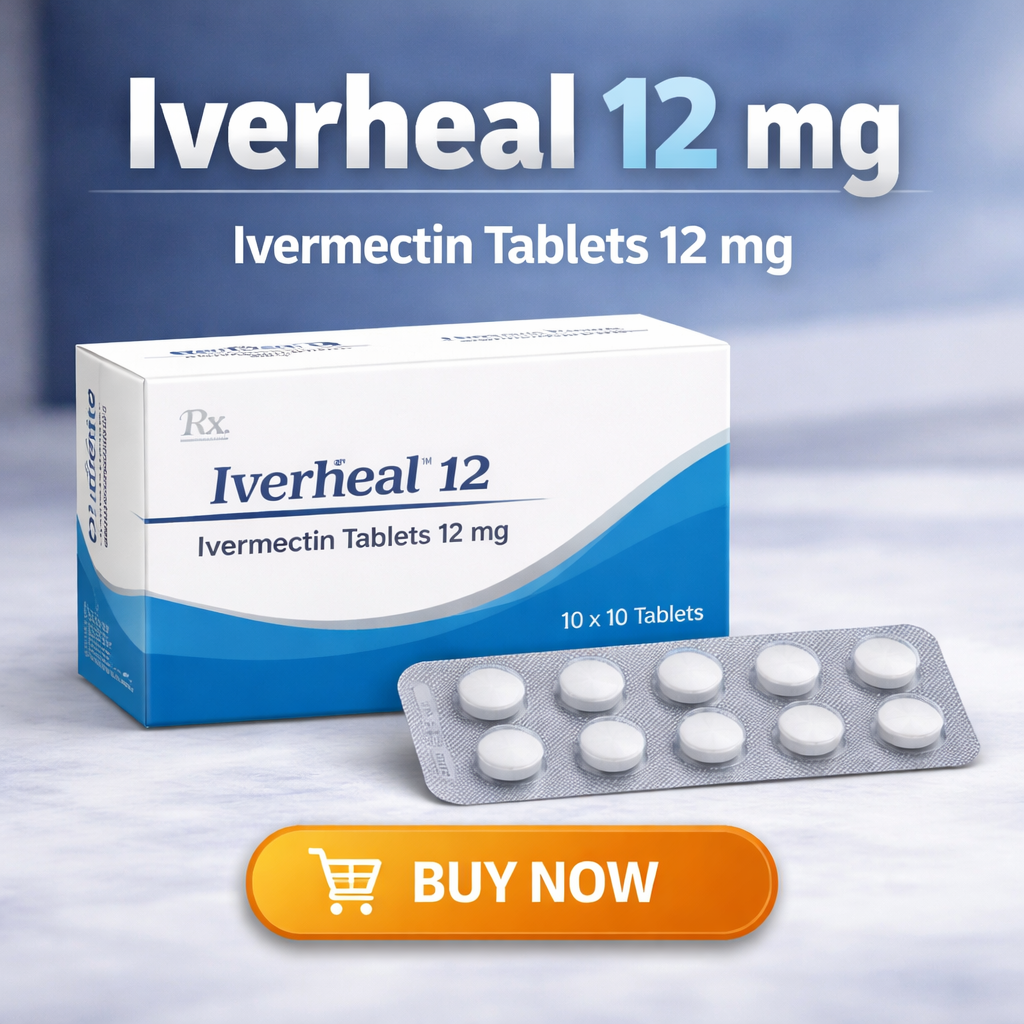
Iverheal is a widely used brand of the antiparasitic drug ivermectin. Since its introduction, it has been instrumental in treating a range of human parasitic diseases, especially in regions where such infections are endemic. While its primary use is in treating conditions like onchocerciasis (river blindness) and strongyloidiasis, Iverheal and other ivermectin formulations have been explored for a variety of other uses, including the controversial off-label application for COVID-19.
2. Chemical and Pharmacological Profile
- Generic Name: Ivermectin
- Brand Names: Iverheal, Stromectol, Mectizan, Scabo, among others
- Chemical Class: Avermectin derivative (macrocyclic lactone)
- Molecular Formula: C<sub>48</sub>H<sub>74</sub>O<sub>14</sub>
- Physical Form: Oral tablet (most common), topical, injectable (veterinary)
- Mechanism: Binds selectively and with high affinity to glutamate-gated chloride channels in nerve and muscle cells of invertebrates.
3. History and Discovery of Ivermectin
Ivermectin was discovered in the late 1970s when Japanese microbiologist Satoshi Ōmura isolated Streptomyces avermitilis from soil, and American parasitologist William C. Campbell and colleagues demonstrated its potent antiparasitic properties. Merck & Co. developed ivermectin for human use, and it was first approved for veterinary and then human applications. In 2015, Ōmura and Campbell were awarded the Nobel Prize in Physiology or Medicine for this achievement.
4. Mechanism of Action
Ivermectin works by enhancing the inhibitory neurotransmitter gamma-aminobutyric acid (GABA) and binding to glutamate-gated chloride channels in the nervous and muscle systems of worms and insects. This action leads to increased permeability of the cell membrane to chloride ions, hyperpolarization, paralysis, and death of the parasite. Mammals are generally unaffected because these channels are absent in humans, and ivermectin does not cross the blood-brain barrier at standard doses.
5. Spectrum of Activity
Ivermectin is effective against a wide variety of parasites, including:
- Nematodes (roundworms)
- Ectoparasites (lice, mites)
- Some viral and bacterial pathogens (investigational, not established in clinical practice)
6. Approved Medical Uses
Onchocerciasis (River Blindness)
Caused by Onchocerca volvulus, onchocerciasis is a leading cause of preventable blindness in Africa. Ivermectin is the cornerstone of mass drug administration (MDA) programs to reduce transmission.
Strongyloidiasis
Infection with Strongyloides stercoralis can be life-threatening, especially in immunocompromised patients. Ivermectin is preferred over other agents due to superior efficacy and safety.
Lymphatic Filariasis
Ivermectin is used in combination with albendazole and/or diethylcarbamazine in global efforts to eliminate lymphatic filariasis.
Scabies
Ivermectin is used for crusted (Norwegian) scabies or when topical treatment is impractical.
Pediculosis (Head Lice)
Oral ivermectin is an option for treatment-resistant head lice.
Other Parasitic Infections
Used off-label or in specific regions for loiasis, trichuriasis, ascariasis, cutaneous larva migrans, gnathostomiasis, and more.
7. Iverheal in Clinical Practice
Dosage Forms and Strengths
Iverheal is available as oral tablets containing 3 mg, 6 mg, or 12 mg ivermectin. The 12 mg strength is often used for adult dosing based on body weight and the type of infection.
Administration Guidelines
- Onchocerciasis: 150 mcg/kg as a single dose, repeated every 6-12 months.
- Strongyloidiasis: 200 mcg/kg as a single dose, sometimes repeated after 2 weeks.
- Scabies: 200 mcg/kg, repeated in 1-2 weeks as needed.
- Dosing varies by indication and patient factors.
Patient Selection
- Not recommended for children under 15 kg or those less than 5 years old.
- Use with caution in elderly, pregnant, or lactating women.
8. Ivermectin in Veterinary Medicine
Ivermectin is used extensively in animals for the prevention and treatment of heartworm, mange, gastrointestinal parasites, and ectoparasites. Veterinary formulations differ from human medicinal products and are not safe for human use.
9. Pharmacokinetics and Pharmacodynamics
- Absorption: Oral bioavailability is moderate and increased with fatty meals.
- Distribution: Widely distributed in tissues; does not readily cross the blood-brain barrier.
- Metabolism: Hepatic, primarily by CYP3A4.
- Elimination: Fecal excretion; half-life is approximately 12-36 hours.
10. Side Effects and Safety Profile
Common Side Effects
- Nausea, vomiting
- Dizziness, somnolence
- Abdominal pain, diarrhea
- Rash, pruritus
Serious Adverse Effects
- Hypersensitivity reactions (rare)
- Neurotoxicity in overdose or in special populations
- Mazzotti reaction (immune response to dying microfilariae)
- Liver enzyme elevations
Special Populations
- Pregnancy: Use only if potential benefit justifies risk.
- Lactation: Use with caution; ivermectin is excreted in breast milk.
- Children: Not established for those under 15 kg.
11. Contraindications and Precautions
- Known hypersensitivity to ivermectin or excipients
- Patients with meningitis or other CNS diseases (risk of neurotoxicity)
- Use with caution in those with impaired hepatic function
12. Drug Interactions
- Warfarin: Potentiation of anticoagulant effect reported
- CNS depressants: Enhanced sedative effects possible
- CYP3A4 inducers/inhibitors may alter ivermectin metabolism
13. Iverheal and COVID-19: The Controversy
Early In Vitro Research
Laboratory studies suggested ivermectin could inhibit SARS-CoV-2 replication in vitro, but at concentrations much higher than achievable in humans.
Public Use and Misinformation
Widespread off-label use of ivermectin for COVID-19 occurred, fueled by anecdotal reports, social media, and some preliminary studies. This led to shortages of the drug for approved indications and cases of toxicity from inappropriate dosing or use of veterinary formulations.
Regulatory Responses
- FDA: Warned against using ivermectin for COVID-19 outside clinical trials.
- WHO: Recommends use only in clinical research settings for COVID-19.
- EMA, CDC: Similar positions; no robust evidence for efficacy.
Clinical Trials and Meta-Analyses
Numerous trials have been conducted; most high-quality studies show no significant benefit in preventing or treating COVID-19. Some early studies reporting positive effects were later retracted due to methodological flaws or data integrity issues.
14. Legal and Regulatory Status
Ivermectin is a prescription medication for humans in most countries. Over-the-counter availability varies by region. Veterinary ivermectin is widely available but not intended for human use.
15. Global Health Impact
Mass Drug Administration Programs
Ivermectin has been central to the control and near-elimination of river blindness and lymphatic filariasis in many countries, administered to millions annually.
Role in Neglected Tropical Diseases
Ivermectin is included on the WHO Model List of Essential Medicines and is a cornerstone in fighting some of the world’s most neglected diseases.
Nobel Prize Recognition
The 2015 Nobel Prize in Physiology or Medicine highlighted the transformative impact of ivermectin on global health.
16. Iverheal: Brand and Market Analysis
Manufacturing and Distribution
Iverheal is produced by several pharmaceutical companies, primarily for markets in India, Africa, and South America. Quality standards can vary, and regulatory enforcement may be inconsistent.
Quality and Counterfeit Concerns
Due to high demand—especially during the COVID-19 pandemic—counterfeit and substandard ivermectin products have been reported. Ensuring quality is an ongoing challenge.
17. Societal and Ethical Considerations
- Access: Ivermectin’s donation programs have improved access in low-income countries.
- Misuse: Off-label and unsupervised use poses public health risks.
- Misinformation: Online misinformation about unproven uses can endanger lives and undermine trust in medical science.
18. Current Research and Future Prospects
- Investigations continue into ivermectin’s potential antiviral, anticancer, and anti-inflammatory effects.
- Drug resistance in parasites is an emerging concern.
- New delivery systems and combination therapies are being explored.
19. Conclusion
Iverheal (ivermectin) is a vital antiparasitic medication with a profound global health legacy. Used responsibly, it saves millions of lives and prevents disability. However, misuse and misinformation can diminish its impact and harm public health efforts.
20. References and Further Reading
- World Health Organization (WHO)
- Centers for Disease Control and Prevention (CDC)
- U.S. Food and Drug Administration (FDA)
- Peer-reviewed medical journals and clinical guidelines
- Nobel Prize official website